

A machine identity is the set of credentials a non-human entity, such as an application, device, workload, or service, uses to authenticate itself and communicate securely with other systems.
Just as an employee proves who they are with a username and password, a machine proves who it is with cryptographic credentials like a digital certificate, an API key, or a service account token.
As organizations move to the cloud, break monoliths into microservices, and hand more work to automation and AI, managing these non-human actors properly has become a front-line security concern.
Machine Identities: A Deep-Dive
According to research from Rubrik Zero Labs, non-human identities now outnumber human identities by roughly 45 to 1 in the average enterprise, and in cloud-native environments the ratio can climb past 100 to 1.
Machines need identities for the same reason people do: systems should never trust an unverified request. When a payment service calls a fraud-detection API, or a Kubernetes pod pulls an image from a private registry, the receiving system has to confirm the caller is legitimate before handing over data or executing an action.
Without a verifiable identity, any process could impersonate any other, and automated communication would collapse into a security free-for-all.
The key difference between human and machine authentication comes down to how trust is established. Humans authenticate interactively, entering passwords, approving push notifications, or scanning a fingerprint.
Machines authenticate non-interactively and at scale, presenting mathematical proof, a signed certificate, a secret key, or a token issued by a trusted authority, often thousands of times a minute with no person in the loop. That difference in scale and speed is exactly what makes machine identities both essential and difficult to manage.
Common examples of machine identities include:
- Digital certificates (such as TLS/SSL certificates) that secure service-to-service traffic
- API keys that authorize access to SaaS platforms, payment gateways, and internal microservices
- Service accounts that represent automated processes like backup jobs and CI/CD runners
- SSH keys, tokens, and secrets used across servers and ephemeral workloads
Why Machine Identities Matter Today
Machine identities are not a new concept, but a few converging trends have pushed them from a background detail to a front-line security concern.
1. Cloud adoption has multiplied the number of workloads that need to be authenticated. Every cloud resource, function, and managed service comes with its own identity, and in multi-cloud or hybrid setups, manually tracking those credentials quickly becomes impossible.
2. APIs and microservices have replaced monolithic applications with dozens or hundreds of small services, each one talking to others over the network. Every one of those connections needs to be authenticated and encrypted, and every service needs an identity to do it.
3. AI agents and automation now act independently. Once deployed, an AI agent can call APIs, query services, and access data without a human approving each action. That autonomy is powerful, but it means the agent's identity and permissions have to be tightly governed to prevent unintended or excessive access.
4. Machine-to-machine communication ties all of this together. The trustworthiness of an automated workflow depends entirely on each participant being able to verify the others.
The result is a dramatic growth of non-human identities. Machine identities now outnumber human identities in most enterprise environments, with industry estimates commonly citing ratios far above human accounts.
When credentials this numerous go unmanaged, the gaps become a serious machine identity security problem: unmonitored keys, forgotten certificates, and over-privileged service accounts are exactly the weaknesses attackers look for.
Machine Identities vs Non-Human Identities
The terms machine identity and non-human identity (NHI) are often used interchangeably, and they overlap heavily, but it helps to see how they relate. Broadly, "non-human identity" is the umbrella term for any identity that isn't a person, and machine identities sit within it.
| Type | Example | What it represents |
|---|---|---|
| Human identity | Employee, contractor, customer | A person who authenticates interactively |
| Machine identity | Certificate, API key, SSH key | Credentials that let a workload or device authenticate |
| Non-human identity | Service account, AI agent, bot | Any automated actor operating without a human |
In practice, a service account or an AI agent is a non-human identity that uses machine identity credentials (like keys and tokens) to authenticate.
The distinction matters less than the takeaway: all of these actors need to be discovered, governed, and secured with the same rigor you apply to human accounts, because machine and non-human identities now vastly outnumber people in most organizations.
Types of Machine Identities
Machine identities appear across nearly every layer of modern infrastructure. Here are the most common types of machine identities you will encounter.
1. Cloud identities
Every workload in AWS, Azure, or Google Cloud carries an identity, whether it's an IAM role, a managed identity, or a workload identity. These allow cloud resources to access other services without hard-coded credentials, but they proliferate fast and are easy to lose track of across multiple accounts and providers.
2. DevOps tools and CI/CD pipelines
Build and deployment pipelines authenticate to repositories, registries, cloud APIs, and production systems on every run. The service accounts and tokens they use are highly privileged and frequently over-scoped, making them a prime target.
3. Automation tools and scripts
Scheduled jobs, RPA bots, and operational scripts run continuously in the background. Each needs credentials to do its work, and because they run unattended, their keys are often set once and forgotten.
4. SaaS integrations
When one SaaS platform connects to another, or when internal apps pull data from third-party services, they authenticate with API keys and OAuth tokens. These are convenient but easy to leak, especially when hard-coded into source code.
5. IOT and edge devices
Sensors, gateways, and edge devices report telemetry and receive commands over the network. Each device needs a unique identity, usually a certificate, so the platform can trust its data and control it securely at scale.
6. Containers and microservices
Containers are ephemeral. They spin up and disappear in seconds, and each instance needs to authenticate to other services during its brief life. This demands short-lived, automatically issued credentials rather than static keys.
7. Cryptographic keys and certificates
Underpinning most of the above are the cryptographic building blocks themselves: TLS/SSL certificates that encrypt traffic, SSH keys that grant administrative access, and signing keys that prove authenticity. These are the most fundamental, and most visible, form of machine identity.
How Machine Identities Work
Understanding how machine identities work is easier if you follow a single credential through its stages, from creation to a trusted, authenticated connection.
1. Identity creation
A unique identity is established for the machine or workload, defining what it is and what it should be allowed to do. This might be a service account, a cloud workload identity, or a certificate signing request.
2. Credential issuance
A trusted authority issues the actual credential. In a Public Key Infrastructure (PKI) model, a Certificate Authority (CA) signs and issues a digital certificate binding the identity to a cryptographic key pair. Other systems issue API keys, tokens, or secrets.
3. Authentication
When the machine connects to another system, it presents its credential. The receiving system verifies it, checking a certificate against its trusted CA, validating a signed token, or confirming a key, to confirm the machine is genuinely who it claims to be.
4. Authorization
Once the identity is verified, the system determines what the machine is permitted to do. Authentication proves who you are; authorization decides what you can access.
5. Trust establishment
With identity verified and permissions confirmed, a trusted, usually encrypted, channel is established, and the two machines can communicate securely.
PKI, certificates, and keys are the connective tissue of this whole process. They let systems establish trust mathematically, without a human in the loop, which is precisely what makes secure machine communication possible at the scale modern infrastructure demands.
Machine Identity Lifecycle
Machine identities aren't set-and-forget. Each one moves through a machine identity lifecycle, and managing every stage is essential to keeping them secure.
1. Creation
An identity and its credentials are provisioned when a new workload, device, or service comes online.
2. Usage
The credential is used to authenticate and authorize communication during the machine's normal operation.
3. Rotation
Keys and certificates are periodically replaced with new ones. Rotation limits the damage if a credential is ever exposed, since a stolen key is only useful until the next rotation.
4. Renewal
Certificates and other time-bound credentials are renewed before they expire, so trusted services keep working without interruption.
5. Revocation
When a machine is decommissioned, a credential is compromised, or an identity is no longer needed, its credentials are revoked so they can never be used again.
The stages that trip organizations up most are rotation, renewal, and revocation. A certificate that isn't renewed will expire and take a critical service down; a credential that isn't revoked leaves a door open long after it should have been closed.
Why Is It Important to Secure Machine Identities?
When machine identities go unmanaged, the consequences range from embarrassing outages to serious breaches. Here's why it is important to secure machine identities.
1. Expired certificates
A certificate nobody renewed will expire silently and bring down whatever service depended on it, sometimes a customer-facing application, sometimes an entire internal system.
2. Exposed API keys
Keys hard-coded into source code, committed to public repositories, or embedded in mobile apps get discovered and abused, handing attackers direct access to services and data.
3. Stolen credentials
A compromised machine identity often grants broader, less-monitored access than a phished human account, and because machine traffic is expected, malicious use can blend right in.
4. Unauthorized access
Over-privileged service accounts let an attacker who compromises one system move sideways to others, escalating a small foothold into a major incident.
5. Compliance requirements
Frameworks like PCI DSS, HIPAA, SOX, ISO 27001, and NIST expect organizations to control, monitor, and audit access to sensitive systems, and that includes the machine identities touching that data.
Given that machine identities outnumber human ones and often carry significant privilege, treating machine identity security as an afterthought leaves a large and growing attack surface exposed.
Machine Identity Security Best Practices
Strong machine identity management comes down to a handful of disciplined practices:
-
Maintain visibility of machine identities
You cannot protect what you cannot see. Continuously discover and inventory every certificate, key, token, and service account across cloud, on-premises, and hybrid environments.
-
Enforce least privilege
Grant each machine identity only the access it needs to do its job, and nothing more. This limits the blast radius if a credential is ever compromised.
-
Rotate keys and certificates
Replace credentials on a regular schedule and immediately after any suspected exposure, so a leaked key has a short useful life.
-
Automate lifecycle management
Manual issuance, renewal, and revocation don't scale to hundreds of thousands of identities. Automation prevents expired certificates, missed rotations, and orphaned credentials.
-
Monitor for suspicious activity
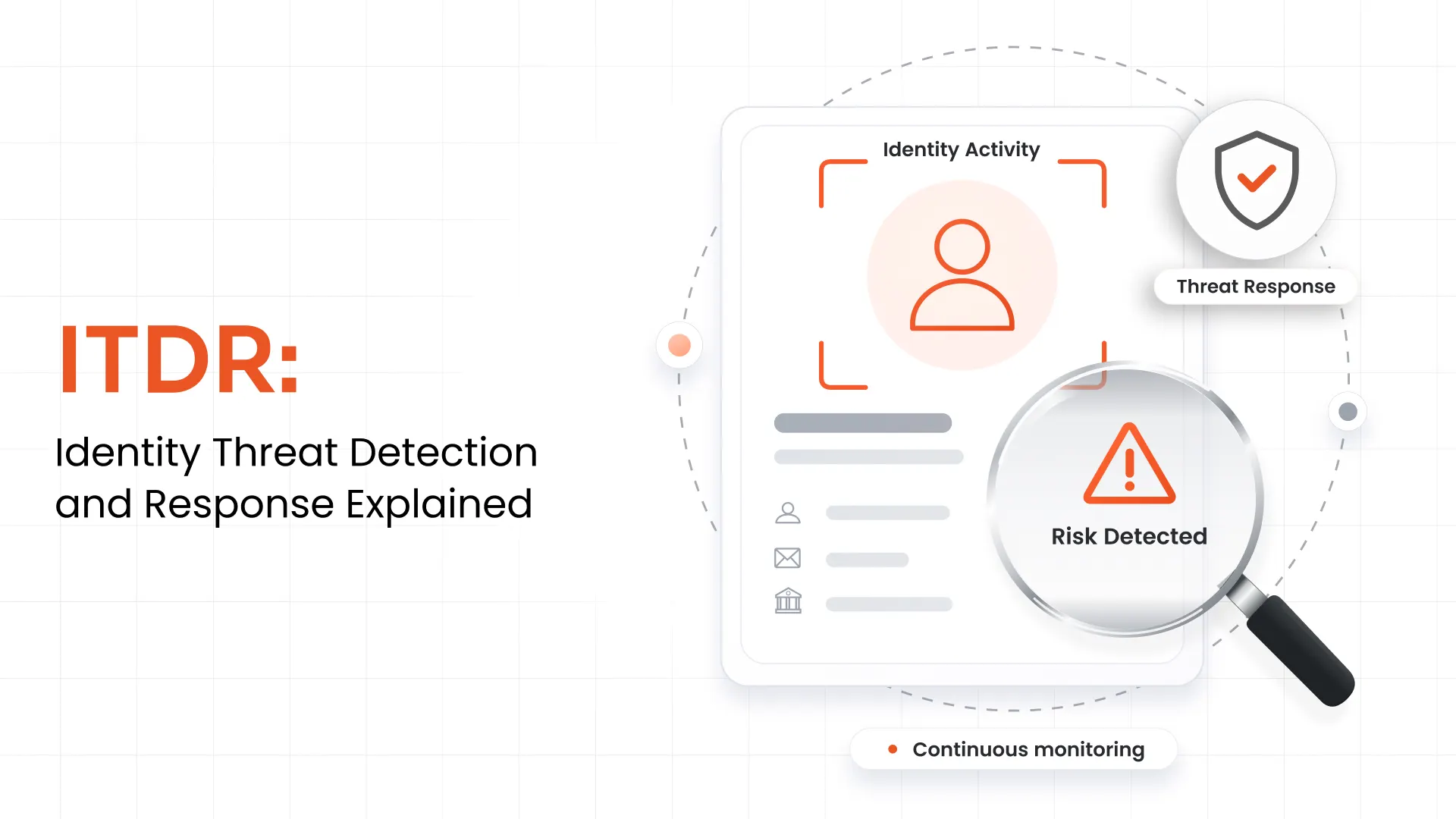
Log authentication and access events, and watch for anomalies, such as a service account suddenly accessing systems it never touched before.
-
Use IAM and PAM solutions
Bring machine identities under the same governance, access-control, and auditing framework you use for human identities rather than managing them ad hoc.
The Role of IAM and PAM in Machine Identity Management
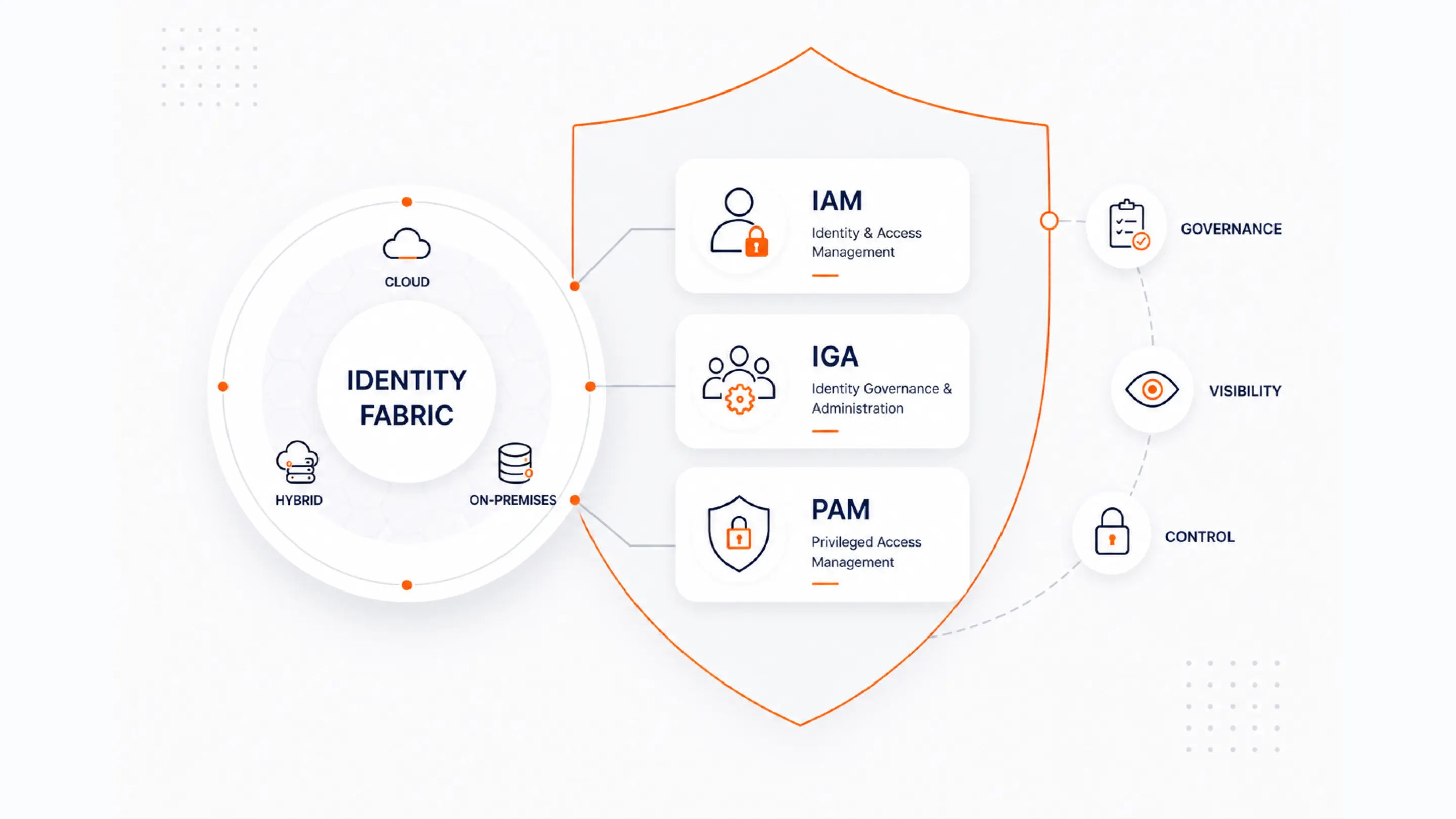
Machine identities shouldn't live in a silo. The most effective approach folds them into the same identity infrastructure that governs your people, which is where Identity and Access Management (IAM) and Privileged Access Management (PAM) come in.
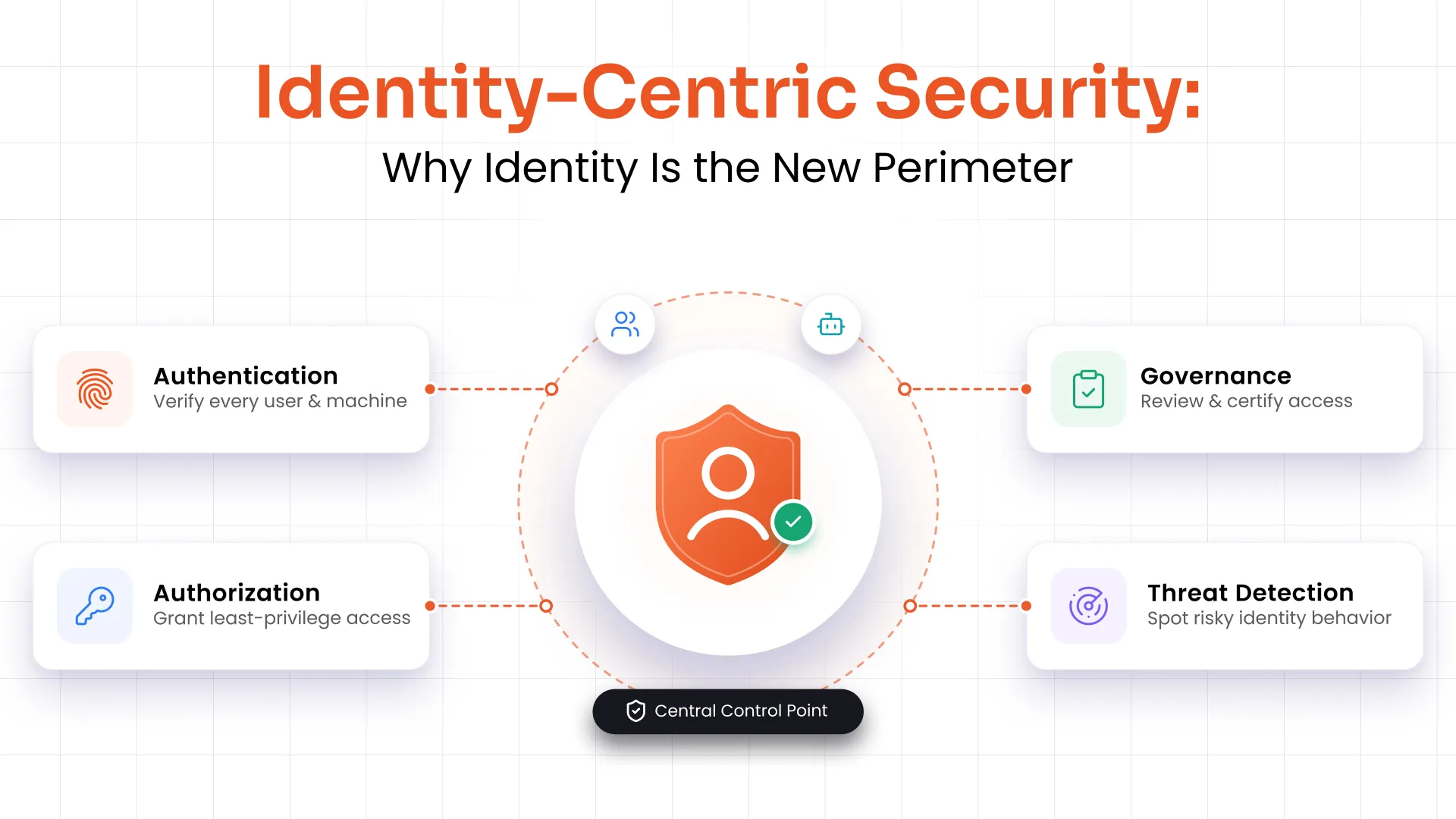
An IAM solution provides governance for machine identities: a single place to provision identities, assign scoped and auditable access, track usage, and revoke credentials when a workload or AI agent changes or is retired. This gives every non-human actor clear ownership and applies the same access policies, reviews, and audit controls you already use for human users, closing the gap between human and automated access management.
A PAM solution protects the machine identities that carry elevated privileges, service accounts, admin credentials, and the keys behind them. It vaults and automatically rotates those credentials, grants time-bound just-in-time access instead of standing privileges, and records privileged sessions for audit and investigation.
MFA rounds out the picture on the human side. The administrators who create, manage, and rotate machine identities are high-value targets themselves, so enforcing a multi-factor authentication solution on the people managing machine credentials protects the keys to the kingdom.
Together, IAM governs which machine identities exist and what they can do, PAM secures the most privileged of them, and MFA protects the humans in charge, forming a complete approach to machine identity management.
The Future of Machine Identities
The trajectory is clear: machines will keep multiplying, and the identities behind them will only grow more important.
1. AI agents and agentic AI
As agents move from answering questions to taking autonomous action, chaining tasks across multiple systems, they need to be registered and governed as first-class identities rather than unmanaged keys running in the background. Identity is what gives every agent clear ownership, scoped permissions, and a traceable audit trail.
2. Workload identities
Instead of an embedded API key that never changes, workloads will authenticate with short-lived, automatically issued identities tied to their context, dramatically shrinking the window an attacker can exploit.
3. Zero Trust
In a Zero Trust model, no machine is trusted by default, and every request is authenticated and continuously evaluated, making robust machine identity the foundation the whole architecture rests on.
4. Automated identity governance
At the scale modern environments are reaching, discovery, issuance, rotation, and revocation simply cannot be handled by hand. The organizations that thrive will be the ones that treat machine identity management as an automated, policy-driven discipline rather than a manual chore.
Conclusion
Machine identities are the invisible layer that lets modern digital systems trust one another. Every API call, cloud workload, container, and AI agent depends on being able to prove who it is, and on the systems it talks to being able to verify that claim. As non-human identities outgrow human ones and take on ever more privilege, managing them well, with full visibility, least privilege, automated lifecycle management, and strong governance, is no longer optional.
Bringing machine identities under the same IAM and PAM framework that protects your workforce is the most reliable way to close that gap. If you're ready to discover, govern, and secure every human, AI, and machine identity in your environment, miniOrange provides the platform to do it with confidence.
FAQs
What is a machine identity?
A machine identity is the set of credentials, such as a digital certificate, API key, or service account token, that a non-human entity like an application, device, or workload uses to authenticate itself and communicate securely with other systems.
What are the different types of machine identities?
Common types include cloud identities, DevOps and CI/CD pipeline credentials, automation tools and scripts, SaaS integration keys, IoT and edge device identities, container and microservice identities, and the underlying cryptographic keys and certificates (TLS/SSL certificates, SSH keys, and signing keys).
How do machine identities work?
A trusted authority creates an identity and issues a credential (often via PKI). When the machine connects to another system, it presents that credential, the system authenticates it, checks what the machine is authorized to do, and then establishes a trusted communication channel.
Why is it important to secure machine identities?
Unmanaged machine identities lead to outages from expired certificates, breaches from exposed API keys and stolen credentials, lateral movement from over-privileged accounts, and compliance failures.
What is the machine identity lifecycle?
It's the set of stages every machine identity moves through: creation, usage, rotation, renewal, and revocation.
How are machine identities different from service accounts?
A service account is one type of machine (non-human) identity, typically representing an automated process or application. "Machine identity" is the broader category that also includes certificates, API keys, SSH keys, tokens, workload identities, and device certificates.
Leave a Comment