
Critical sectors such as banking, government, or defense run huge digital transformations over legacy apps and siloed access control. This situation poses legacy authentication risks, exposing mature enterprises and critical sectors to credential theft and account compromise.
To evade authentication risks, it is necessary to adopt platforms like Identity and Access Management (IAM) that support legacy apps and centralize access controls.
This blog explores what legacy authentication really is, how it weakens modern defenses, and practical steps to replace or strengthen it with secure, modern authentication.
If you help shape enterprise security strategy or drive digital transformation, understanding these risks is essential for protecting your organization’s future.
What Exactly Is Legacy Authentication?
Legacy authentication refers to the older login methods that do not support modern security solutions. The modern security solutions include Multi-Factor Authentication (MFA) solution, risk‑based policies, Single Sign-On (SSO) solution, Adaptive MFA, and more.
Common examples include:
- Basic Authentication: This is used in older versions of Outlook, Exchange, POP, IMAP, and SMTP.
- New Technology LAN Manager (NTLM): This includes the NT LAN Manager.
- Older Kerberos: This encompasses implementations without modern enhancements.
- RADIUS Deployments: This lacks strong encryption or token usage.
These protocols rely on static credentials, which are easy to intercept or replay. They were designed for on‑premises environments where network boundaries were clearer and remote access was rare.
In a cloud‑first, hybrid, and remote world, this conventional design becomes an open invitation for attackers.
How Legacy Authentication Risks Undermine Modern Security Controls
Legacy protocols like IMAP, POP3, SMTP, etc., still exist today. This is because older applications, infrastructure, and business processes depend on them. The cybercriminals specifically look for such outdated apps with weak links, because they don't fall under your powerful defences. And they try to exploit them.
Here's how the legacy apps are a source of risks during the authentication process:
1. Easy Targets for Password‑Based Attacks
Basic credential-based authentication paves the way for password spraying and credential stuffing at scale. For instance, as per the Blue Report 2025, 46% of the environments have at least one password hash cracked.
The cybercriminals try large lists of common or stolen passwords against legacy endpoints. Because the legacy apps cannot enforce 2FA/MFA, a successful password guess equals full account access.
2. Bypassing Conditional Access Policies
Conditional access policies are essential to enforce content-aware decisions. These policies evaluate signals such as device, location, IP, time, and user behavior. It also evaluates risk levels and implements MFA challenge based on the risks.
Legacy authentication protocols don’t run on these signals. So, there’s no concept of conditional access. If a threat entity decides to breach a legacy app, then it is quite easy because there is no context-based authentication.
3. Creating Hidden “Shadow” Authentication Paths
Many hybrid environments maintain connectors and relays between on‑premises systems and cloud services that still rely on NTLM or basic authentication.
These legacy paths form “shadow” access routes that bypass your modern authentication controls. Once attackers discover such a path, they can move laterally, escalate privileges, and quietly expand their foothold.
4. Undermining Zero Trust Architecture (ZTA)
Zero trust works on the principle of “never trust, and continuously verify”.
However, the legacy authentication process doesn’t work on this principle. It typically performs a one‑time password check and then grants broad access without evaluating device, session risk, or user behavior. As a result, every login through legacy protocols is a blind spot.
Why Legacy Authentication Still Exists
If legacy authentication is so dangerous, why is it still everywhere? Let’s find out:
1. Legacy Systems and Business Continuity
Several critical applications were built years ago, and replacing them is not as simple as flipping a switch.
Rewrites, replatforming, or replacement projects require budget, engineering time, testing, and stakeholder alignment, which can stretch over quarters or even years.
2. Vendor Constraints and Technical Debt
Some third‑party vendors lag on the latest authentication standards. Organizations locked into certain tools for compliance or operational reasons end up carrying technical debt in the form of legacy protocols. That debt often accumulates quietly until a security incident forces action.
3. Limited Visibility
Security and IT teams may not fully know where legacy authentication is still used. Without detailed sign‑in telemetry and reporting, legacy usage can remain hidden in older mail clients, service accounts, scripting tools, and forgotten integrations.
4. Perceived Complexity of Transition
Shifting from basic username‑and‑password flows to OAuth 2.0, OpenID Connect (OIDC), or SAML can feel complex. When existing setups seem stable, there is a natural reluctance to disturb them, even if they are insecure by modern standards.
Real‑World Impact: When Legacy Authentication Fuels Breaches
Legacy authentication is frequently involved in real incidents, even if it’s not always called out explicitly.
The usual types of breaches include:
- Credential stuffing attacks target legacy mail protocols.
- Business Email Compromise (BEC) campaigns where legacy POP/IMAP connections allow threat entities to monitor and manipulate mailboxes undetected.
- NTLM relay attacks let adversaries impersonate users and move laterally once they are inside the network.
- Cloud service compromises sometimes trace back to exposed legacy endpoints that accepted basic credentials without MFA.
In many investigations, legacy authentication emerges as the weak link that makes the rest of the cyberattack possible.
Modern Authentication: Why It Outperforms Legacy Systems
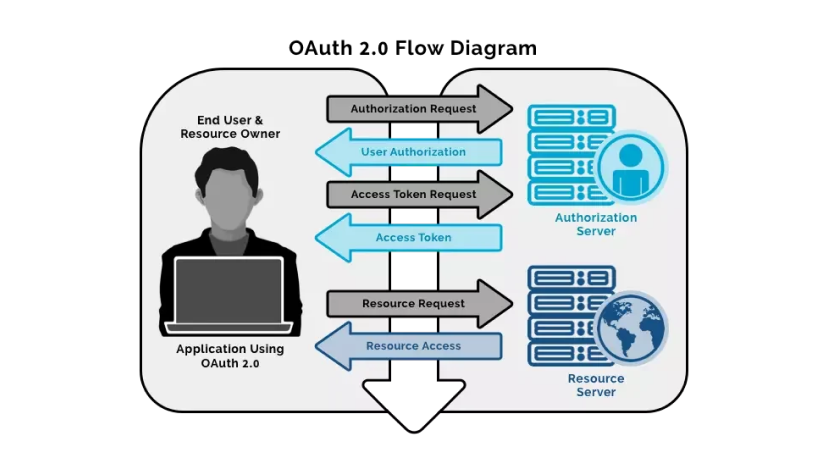
Modern authentication protocols such as OAuth 2.0, OpenID Connect, and SAML 2.0 use token‑based access instead of transmitting passwords directly. These tokens are short‑lived, scoped, and encrypted, which substantially reduces the value of what attackers might intercept.
Unlike legacy authentication, modern authentication supports MFA, conditional access, and zero trust principles out of the box. It passes rich contextual signals and also enforces policies that let your identity platform decide in real time whether to allow, challenge, or block a request.
Key Advantages of Modern Authentication
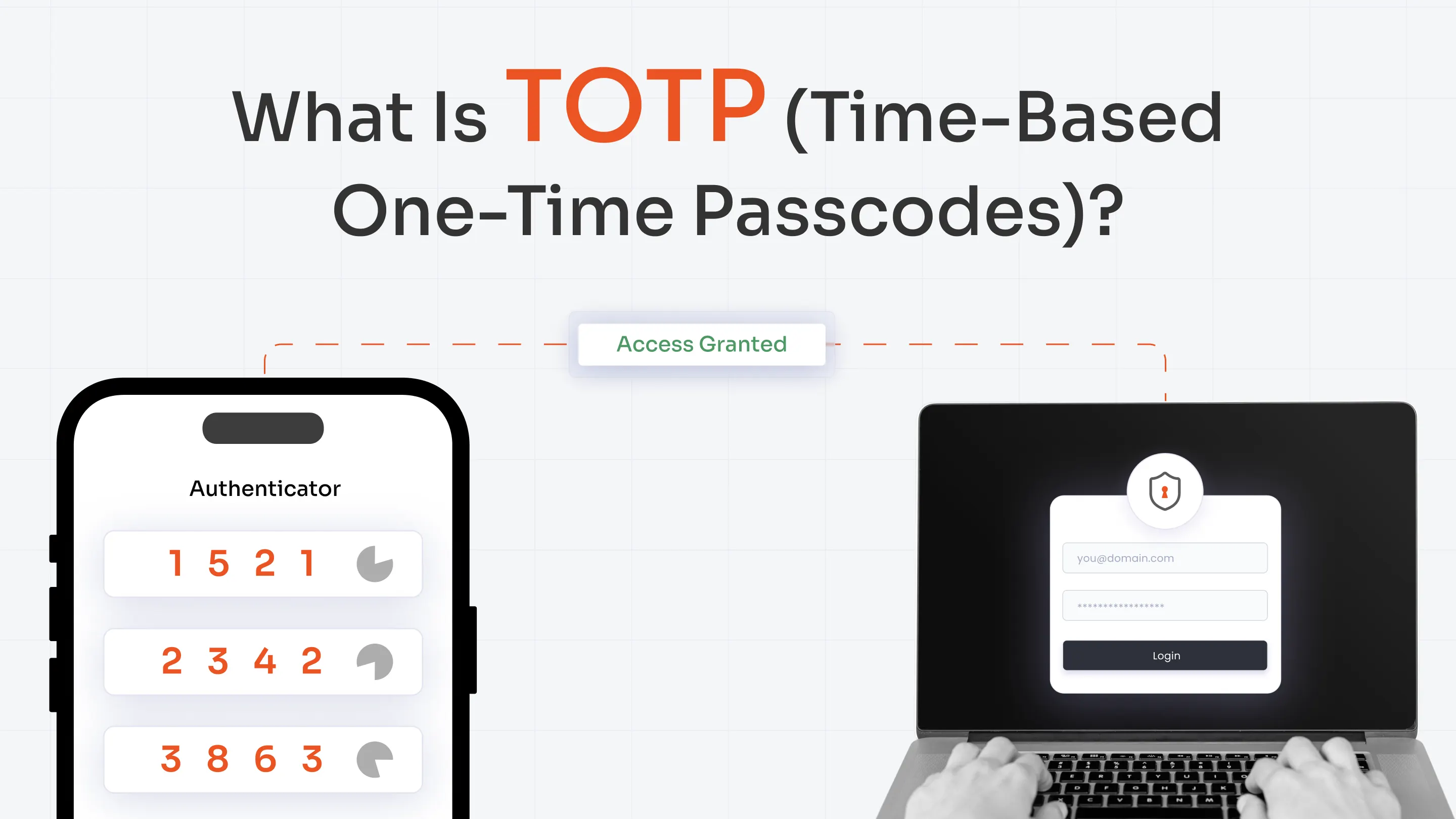
- Strong MFA support across web, mobile, and desktop apps.
- Token‑based access instead of static passwords.
- Compatibility with conditional access and risk‑based policies.
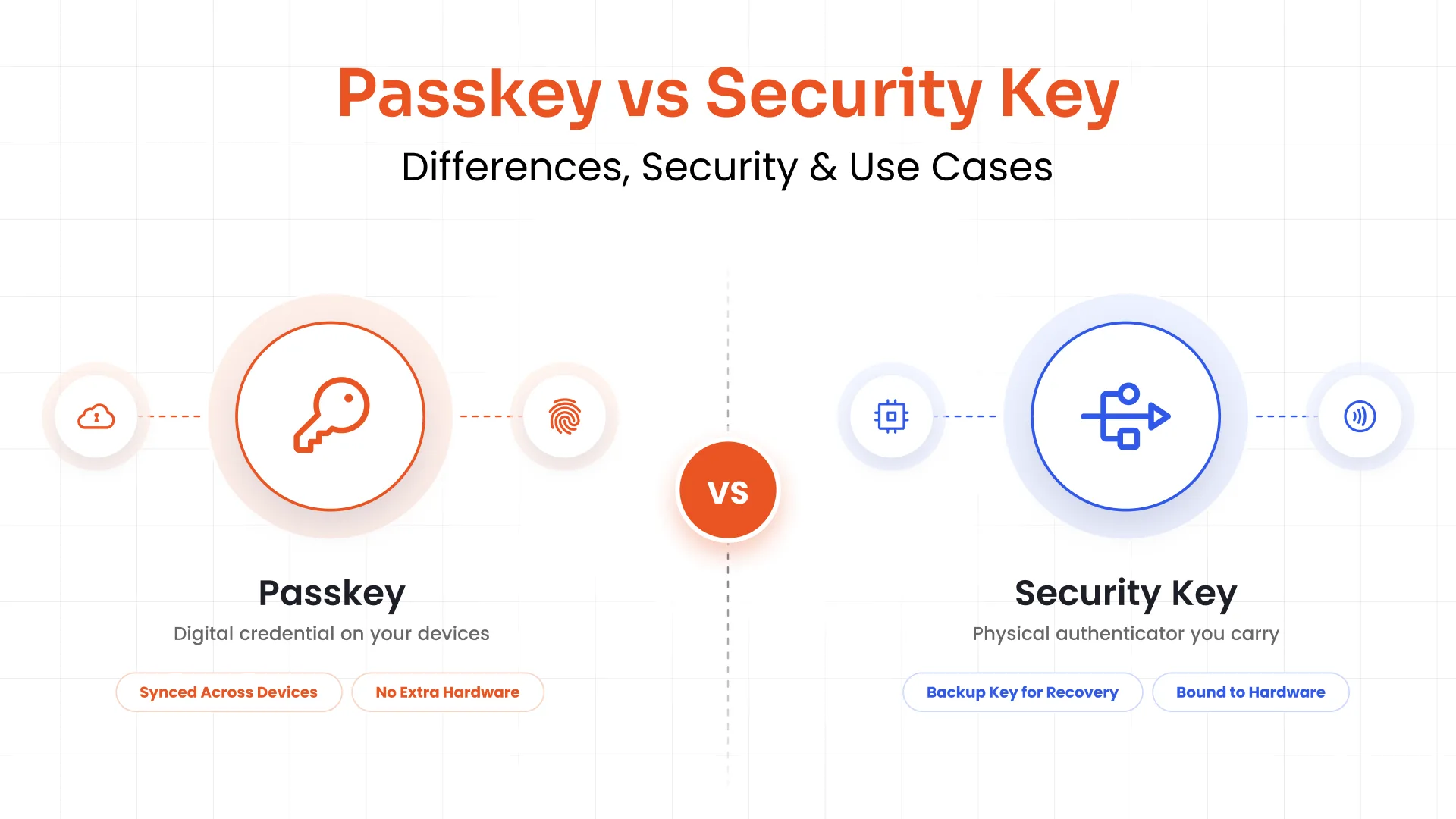
- Readiness for passwordless options such as FIDO2 and passkeys.
- Centralized visibility into user sessions and application access.
This shift turns authentication from a one‑time gate into an intelligent, continuous trust engine.
The Business Case for Eliminating Legacy Authentication
Retiring legacy authentication is not just a technical clean‑up task. It delivers business value across risk, compliance, cost, and reputation.
1. Stronger Compliance and Governance
Security standards and regulations emphasize secure and encrypted access. Legacy protocols that cannot enforce MFA or strong encryption create gaps in compliance posture. Migrating to present-day authentication helps satisfy auditors, regulators, and customer security assessments.
2. Lower Operational and Security Costs
Maintaining legacy infrastructure and custom integrations consumes valuable engineering and support hours. At the same time, every legacy protocol increases the probability and potential cost of credential‑based incidents. Removing these protocols reduces both operational overhead and expected breach‑related costs.
3. Enhanced Customer and Partner Trust
In B2B relationships, your authentication standards become part of your security story. Demonstrating that you have blocked legacy authentication and adopted modern, risk‑aware access can become a differentiator in Request for Proposal (RFP) and security questionnaires.
4. Future‑Ready Architecture
As passwordless and federated identity become the norm, organizations that remain attached to legacy authentication will fall behind. Eliminating legacy protocols now prepares your environment for the next decade of identity innovation.
Common Pitfalls To Avoid During Migration
Several recurring missteps can slow or derail legacy decommissioning projects.
- An incomplete discovery that leaves one or two critical legacy endpoints exposed.
- Under‑communicating changes, causing user frustration or surprise outages.
- Enforce strict blocking policies before migrations and testing are complete.
- Overlooking service accounts, scheduled tasks, and headless systems.
Building in extra time for discovery, communication, and testing reduces these risks dramatically.
AI‑Driven Support for Authentication Risk Management
Modern identity platforms increasingly rely on machine learning to detect abnormal login patterns, risky sign‑ins, and suspicious use of legacy protocols. AI‑driven risk scores can automatically trigger stricter conditional access, require additional verification, or block sign‑ins outright.
These capabilities help security teams prioritize which legacy dependencies to address first and respond faster when attackers probe legacy endpoints. Instead of reacting after a compromise, you can use AI insights to harden your authentication posture proactively.
Looking Ahead: The Passwordless Horizon
Eliminating legacy authentication is an important milestone, but it is not the end of the journey. The future of identity is passwordless, built on device‑bound passkeys, biometrics, and strong cryptographic guarantees.
As you remove legacy protocols and roll out modern authentication, you are also laying the foundation for passwordless experiences that are both more secure and more convenient. Organizations that modernize now will be better positioned to adopt these capabilities quickly and confidently.
Conclusion
Legacy authentication persists quietly in many enterprises, acting like digital asbestos in your environment. On the surface, everything may appear stable, but beneath it, outdated protocols invite credential theft, bypass conditional access, and weaken your zero trust posture.
The path forward is clear. Identify where legacy authentication is used, and modernize it by integrating the strong miniOrange IAM suite, or even better, as mentioned above, completely replace them with modern solutions.
By doing this, you transform authentication from a static password check into a dynamic, intelligent trust model that truly reflects how your business operates today.
To know more about modernizing legacy systems, connect with our expert today!
FAQs
What are legacy authentication risks?
Legacy authentication risks are security weaknesses created by older sign‑in protocols, such as Basic Auth, POP, IMAP, and SMTP, that do not support multi-factor authentication or conditional access.
Why is legacy authentication still used in enterprises?
Legacy authentication is still used because replacing or upgrading these systems can be complex and costly, so organizations often delay change even when security teams know the risk is high.
How do I know if my organization is using legacy authentication?
You can identify legacy authentication by reviewing sign‑in logs. Look specifically for protocols like IMAP, POP, SMTP, MAPI, and other legacy sign‑in types that do not support modern authentication or MFA.
How can I reduce legacy authentication risks?
To reduce legacy authentication risks, first identify where legacy protocols are used, then plan to replace them with modern authentication standards like OAuth 2.0 and SAML. Implement conditional access policies, enforce MFA, and gradually phase out or upgrade legacy systems so they no longer rely on Basic Auth or similar methods.
About the Technical Expert

VP Engineering, IDP Technology
Pratish has over 10+ years of experience in the Cyber Security Domain. Have spent years building secure and reliable backend systems, on-premise & cloud-native SaaS products, and various Cyber Security products with a core focus around Identity and Data Security.
About the Author

Content Writer
With a background in Journalism and extensive experience in SaaS and cybersecurity content writing, Chaitali Avadhani has contributed to creating various forms of impactful content pieces across multiple verticals. At miniOrange, her role is to craft SEO-friendly and lead-generating content around Identity and Access Management (IAM) products and cybersecurity as a whole.
Leave a Comment