

A directory service is a centralized, hierarchical database that stores and manages information about users, devices, and network resources. It provides a structured way to organize identity and resource information so that systems and applications can locate and access the information they need within a network.
A directory service can store information such as user accounts, groups, devices, and other network resources. Directory services can be centralized, with information maintained on a single server, or distributed across multiple servers for purposes such as redundancy and performance. They can also map the names of network resources to their corresponding network addresses, making it easier for systems and users to locate resources within an environment.
You’ve got a database, and you’re wondering: What’s the difference?
There are a couple of things to consider.
A directory service and a database are two technologies that are used to store and manage information. They’re both used to store data, but they’re different in a few key ways.
The first is that a directory service uses a hierarchical structure to organize information, while databases use flat structures. A directory service is based on a tree-like structure that branches out from one central location and then branches out again, so you can see where things are stored at all times. The structure is hierarchical, which means it’s easy for users to find their way around the system, because they know exactly where everything is located.
A database stores all its information in one flat file or table—it doesn’t have any branching structures like a directory service does. This makes it easier for users to access all pieces of information at once; for example, if you wanted to look up something about your own business on the website, you’d just type in “business” into one search box and see all of your business’s details appear right below it!
What are the different types of directory services?

LDAP : Lightweight Directory Access Protocol is a protocol that enables directory services authentication for servers and clients on multiple platforms.
Key File : A key file is a text file that contains the user’s password, encrypted to prevent unauthorized access.
Digest File : Stores user and group information based on encrypted username and password.
Imagine a unified directory service in which all information could be accessed.
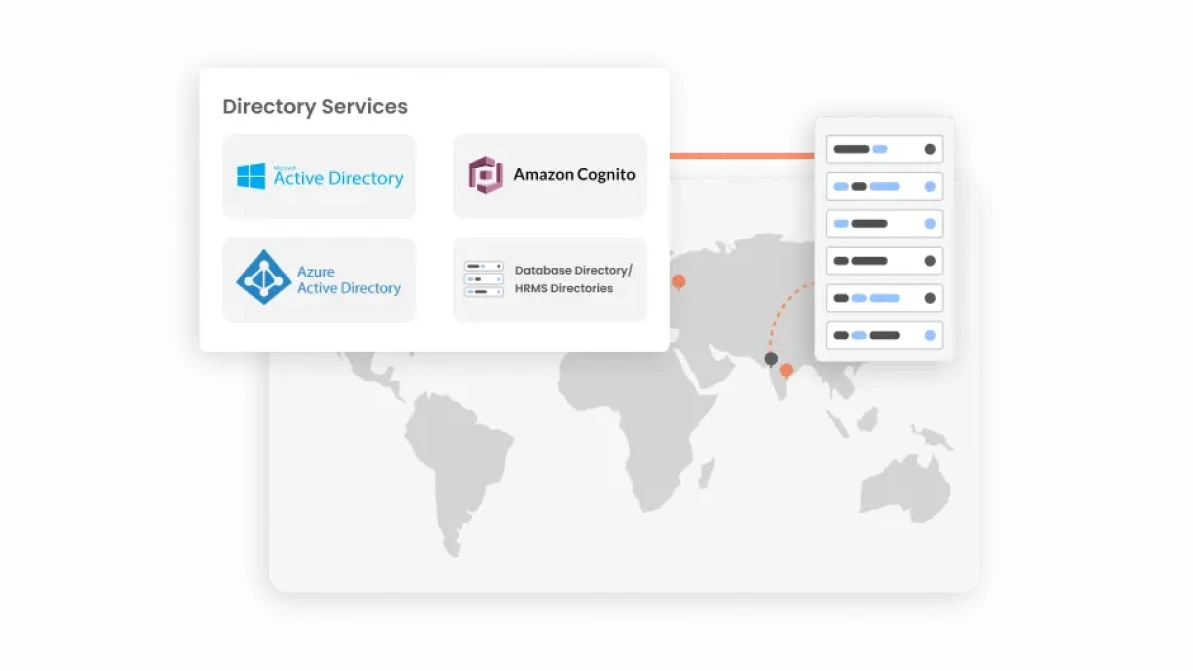
Yes, We can use a single directory that connects with all sorts of directories—including on-premise Active Directory, user stores, and LDAP (Lightweight Directory Access Protocol) directories -Universal Directory. With the miniOrange solution you can access all directories at a single place.
Conclusion
Directory services are an important piece of enterprise databases. In order to create a centralized hub in which all employees can locate the information they need, organizations need a way to identify and communicate with different users in their business. In order to do this, they need directory services within their enterprise database solution.
Leave a Comment