

Privileged Identity Management (PIM) is the cybersecurity practice of securing, controlling, and monitoring accounts that have elevated access to critical systems, applications, and sensitive data. It helps organizations manage who can access privileged accounts, what resources they can access, and how long they can retain those privileges.
Privileged accounts are typically used by administrators, IT staff, database managers, service accounts, and other users who require higher levels of access to perform specific tasks. Because these accounts have extensive permissions, unauthorized or unnecessary access can expose critical resources to security risks.
PIM helps organizations manage the lifecycle of these privileged identities by defining access policies, limiting permissions, providing access when needed, and monitoring privileged activity. It can also support time-bound or Just-in-Time (JIT) access, ensuring that elevated privileges are available only for the required period.
Top Features of Privileged Identity Management Systems
Privileged Identity Management (PIM) solutions provide tools to secure and manage privileged accounts with high-level permissions. Some of the key features include:
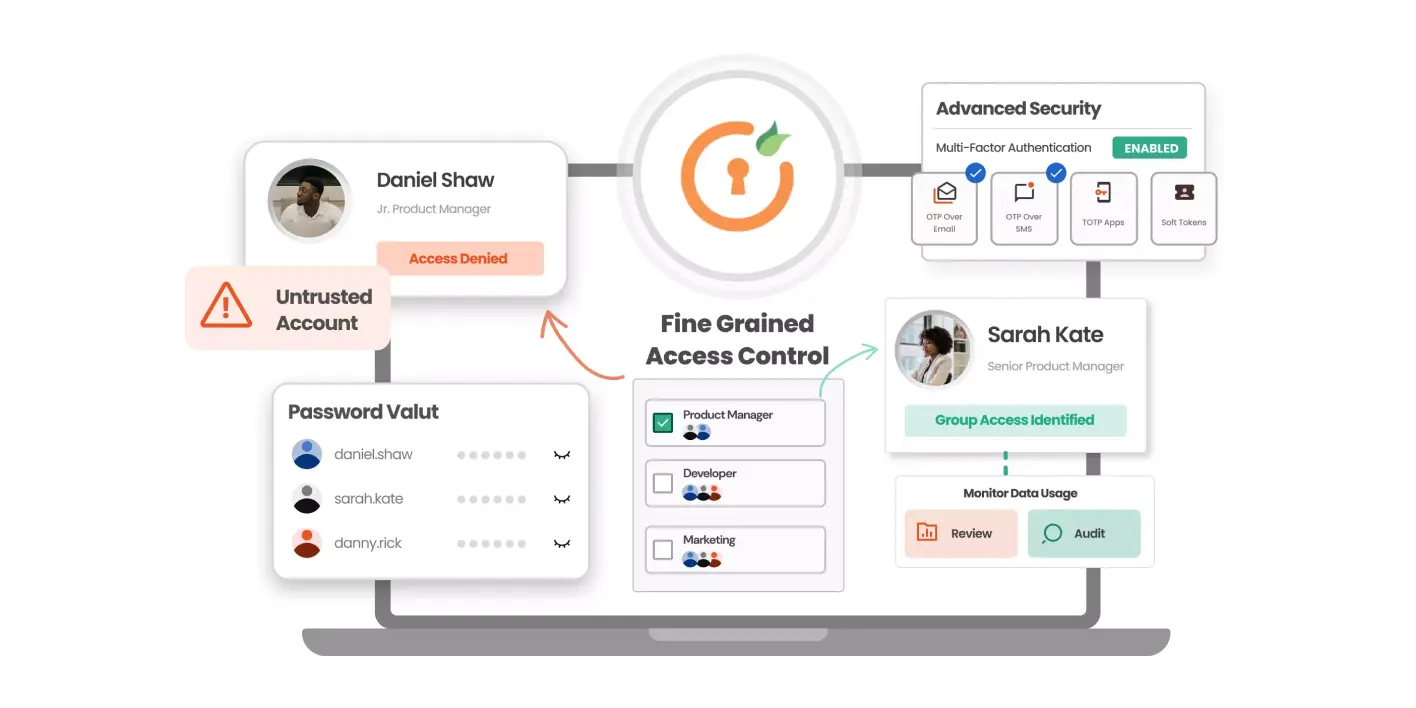
- Least Privilege: PIM supports the Principle of Least Privilege, ensuring users receive only the permissions required to perform their tasks. This limits unnecessary access to critical systems and reduces the attack surface.
- Just-in-Time Access: Just-in-Time access provides temporary privileged access only when it is required. Once the task is completed or the approved period ends, the elevated privileges can be revoked.
- Role-Based Access Control: Role-Based Access Control (RBAC) assigns permissions based on a user's role and responsibilities. This helps organizations provide appropriate access without granting unnecessary privileges.
- Monitoring and Audit Trails: PIM solutions track privileged access and activities, providing visibility into who accessed a resource, when they accessed it, and what actions they performed.
- Reporting and Compliance Support: PIM tools can generate reports on privileged accounts, access requests, authentication events, and other security activities to support internal audits and compliance requirements.

Why Your Business Needs Privileged Identity Management
A Privileged Identity Management solution helps organizations control access to accounts that can make significant changes to systems, applications, and data. Here are some key reasons organizations use PIM:
1. Protecting Against Cyberattacks and Data Breaches: Privileged accounts can provide extensive access to critical resources. If these accounts are compromised, attackers may use their permissions to access sensitive information or make unauthorized changes. PIM helps reduce this risk by applying controls around privileged access.
2. Managing Multiple Access Points: Organizations often have administrators and other privileged users accessing multiple applications, servers, databases, and network resources. PIM provides centralized controls for managing these privileged identities and their access.
3. Preventing Insider Threats: Privileged access can be misused intentionally or accidentally. PIM helps organizations restrict unnecessary privileges and monitor privileged activity to provide better oversight.
4. Knowing Who Has Access: PIM provides visibility into privileged accounts and their associated permissions, helping organizations identify unnecessary or unauthorized access and take corrective action.
5. Enforcing Strong Access Policies: PIM can support policies around privileged credentials, authentication, access duration, and permissions, helping organizations maintain stronger controls over administrative accounts.
How Does Privileged Identity Management Work?
Privileged Identity Management works by controlling privileged access throughout the identity lifecycle. A typical PIM process involves the following steps:
1. Defining Privileged Roles and Permissions: Organizations first identify privileged roles and determine the permissions each role requires. For example, a database administrator may need elevated access to manage specific databases.
2. Requesting Access With Justification: Users can request privileged access when they need it for a specific task. The request can include information such as the reason for access and the required duration.
3. Approval and Access Provisioning: Based on organizational policies, the request may be approved or denied. Once approved, the user receives the required privileged access for the specified purpose.
4. Timely Revocation of Privileges: When the approved period ends or the task is completed, privileged access can be automatically revoked. This helps prevent unnecessary standing privileges.
5. Continuous Monitoring and Auditing: PIM solutions track privileged access and activities through logs and audit trails. Security teams can use this information to review activity, investigate suspicious behavior, and support compliance requirements.
PIM vs PAM vs IAM: Key Differences in Privileged Identity and Access Management
| Aspect | IAM | PIM | PAM |
|---|---|---|---|
| Primary Focus | Manages identity and access for users across the organization | Manages privileged identities and their lifecycle | Manages and secures privileged access to critical systems |
| User Scope | Employees, partners, customers, devices, and other users | Privileged users and accounts | Privileged users performing high-risk tasks |
| Goal | Provide appropriate authenticated and authorized access | Ensure privileged identities are properly managed and controlled | Secure, monitor, and control privileged access |
| Risk Management | Reduces unauthorized access across the organization | Reduces risks associated with privileged identities | Reduces risks associated with privileged access to critical resources |
| Tools / Functionality | SSO, MFA, provisioning, access policies | Privileged identity lifecycle, role management, access controls | Session monitoring, credential management, JIT access, access controls |
Identity & Access Management (IAM)
IAM is the broader framework for managing digital identities and access across an organization. It authenticates users, determines what resources they can access, and applies access policies based on their roles and permissions.
Key Role of IAM:
- Manages digital identities across the organization.
- Controls access to systems and applications.
- Authenticates users and determines their access rights.
IAM covers a broad range of identities, while PIM and PAM focus more specifically on privileged identities and privileged access.
Privileged Identity Management (PIM)
PIM focuses on managing identities that have elevated permissions. It helps organizations identify privileged accounts, manage their lifecycle, control their permissions, and limit when and how privileged identities can be used.
Key Role of PIM:
- Discovers, manages, and secures privileged identities.
- Controls the lifecycle of privileged accounts.
- Limits unnecessary or excessive privileged access.
- Provides visibility into privileged identities and their permissions.
Privileged Access Management (PAM)
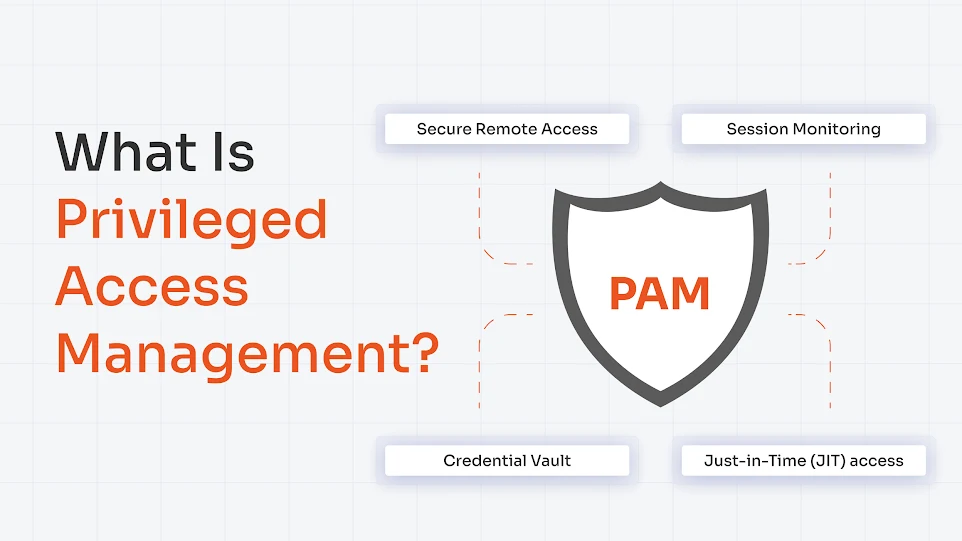
PAM focuses on controlling and securing how privileged users access critical systems and resources. PAM can include Just-in-Time access, secure remote access, credential management, and session monitoring.
Key Role of PAM:
- Controls privileged access to critical resources.
- Provides features such as Just-in-Time access and session monitoring.
- Tracks privileged activity through detailed logs and audit trails.
How PAM, IAM, and PIM Work Together
IAM manages identities and access across the organization, while PIM focuses on privileged identities and PAM focuses on securing privileged access to critical resources.
Together, these technologies can provide layered controls around identity, privileged identities, and privileged access. Organizations can use IAM to establish identity and access policies, PIM to manage privileged identities, and PAM to control and monitor their access to sensitive systems.
Benefits of Privileged Identity Management (PIM)
Privileged Identity Management helps organizations maintain tighter control over accounts with elevated permissions. Key benefits include:
- Minimizes Unnecessary Privileges: PIM can reduce standing privileges by providing elevated access only when it is required.
- Improves Visibility: Organizations can identify privileged accounts, their permissions, and access activity from a centralized view.
- Supports Access Governance: PIM enables organizations to establish policies around who can receive privileged access and under what conditions.
- Simplifies Auditing and Reporting: Access requests, approvals, privilege assignments, and other activities can be recorded for auditing and reporting.
- Supports Regulatory Compliance: By controlling privileged access and maintaining records of privileged activity, PIM can support organizations in meeting access control and audit requirements.
- Reduces Privileged Account Risk: Limiting privileged access and monitoring its use can reduce opportunities for unauthorized or unnecessary activity.

Best Practices for Implementing Privileged Identity Management
To implement Privileged Identity Management effectively, organizations can follow these practices:
- Identify Privileged Accounts: Create an inventory of privileged accounts and identify who owns or uses them.
- Apply Least Privilege: Give users only the permissions they need to perform their responsibilities.
- Use Just-in-Time Access: Provide elevated permissions temporarily rather than maintaining unnecessary standing privileges.
- Establish Clear Access Policies: Define who can request privileged access, when it can be granted, and how long it should remain active.
- Enable Multifactor Authentication: Use multifactor authentication to add another layer of protection for privileged accounts.
- Monitor Privileged Activity: Track privileged access and review logs regularly to identify unusual or unauthorized activity.
- Review Privileges Regularly: Periodically verify that privileged users still require their assigned permissions and revoke unnecessary access.
- Maintain Audit Trails: Keep records of access requests, approvals, privilege changes, and privileged activities to support investigations and audits.
How to Choose the Right PIM Solution for Your Enterprise
When evaluating a Privileged Identity Management solution, consider the following factors:
1. Identify Your Privileged Account Requirements: Understand how many privileged accounts your organization has, what resources they can access, and which users require elevated permissions.
2. Look for Granular Access Controls: Choose a solution that supports capabilities such as RBAC, least privilege, and Just-in-Time access.
3. Prioritize Monitoring and Auditing: Look for detailed logging, access tracking, and audit capabilities that provide visibility into privileged activity.
4. Evaluate Compliance Support: Consider whether the solution can generate reports and maintain records needed for your organization's regulatory and audit requirements.
5. Consider Scalability and Integration: The solution should integrate with your existing identity and security infrastructure and support your organization's changing requirements.
6. Evaluate Usability: Privileged access workflows should be straightforward for administrators and users so that security controls do not create unnecessary complexity.
Next Step
Privileged Identity Management gives organizations greater control over identities with elevated permissions by combining access policies, privilege management, monitoring, and auditing.
miniOrange offers Privileged Identity Management capabilities designed to help organizations secure privileged identities and control access to critical resources. SCHEDULE A DEMO to explore the solution and its capabilities.
Leave a Comment